Source Stackable Mesh Bottom Drying Tray for Fruit, Veg, Food
Source 30 stackable mesh bottom drying tray options from China. Compare HDPE and stainless steel models for fruit, vegetable, and food dehydration. Find OEM/ODM suppliers with customizable sizes and eco-friendly features; compare the available evidence and request quotations based on your requirements.
Key considerations
Products List








Comprehensive Sourcing Guide
Stackable Mesh Bottom Drying Tray Sourcing Guide
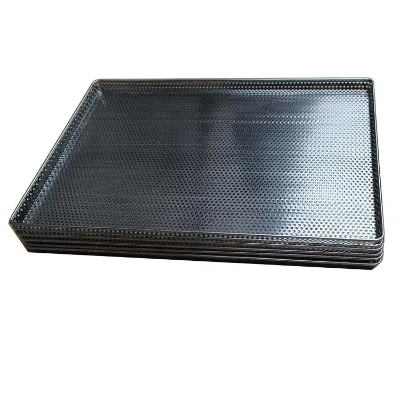
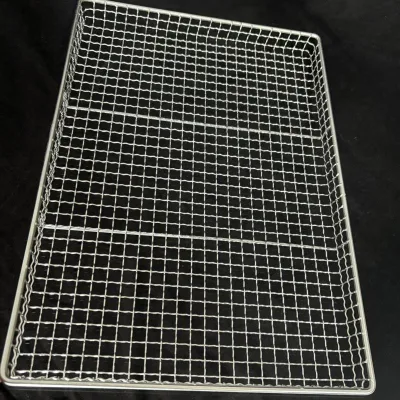
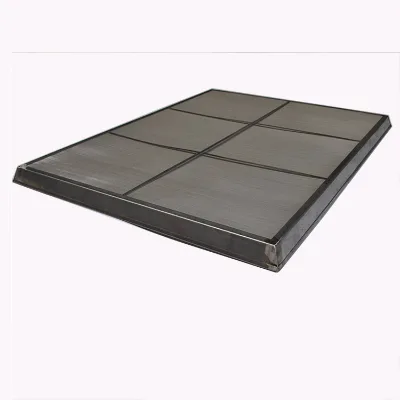
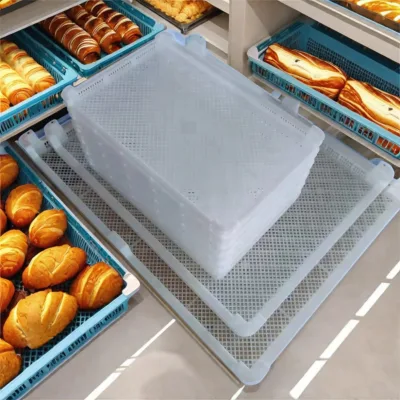
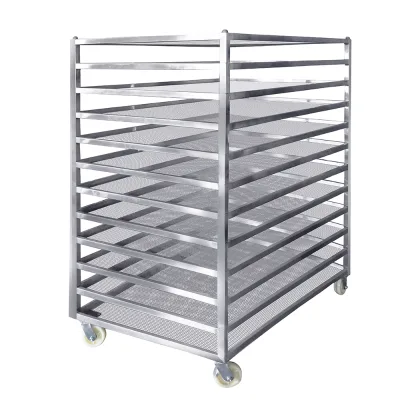
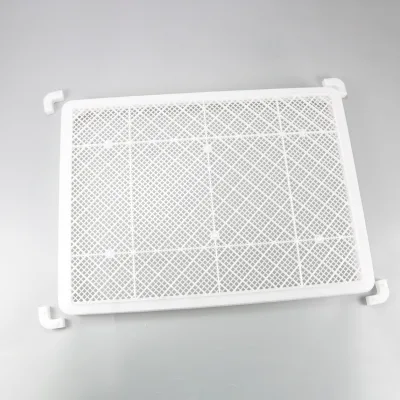
Buyers evaluating stackable mesh bottom drying trays must first distinguish between plastic and metal variants, as the supplied data reveals distinct material profiles for different use cases. The market offers high-density polyethylene (HDPE) options designed for general storage of eggs, fruits, and vegetables, while stainless steel perforated trays provide high strength and heat resistance for food dehydration processes. Understanding this material divergence is critical before initiating any procurement dialogue, as the intended application dictates whether a foldable, recyclable plastic unit or a welded, fashion-designed metal tray is the appropriate selection.
Procurement teams should also scrutinize the specific dimensional standards listed in supplier catalogs, which vary significantly from compact 300x300x55mm egg trays to larger 630x330x257mm storage units. The observed listings indicate that some manufacturers offer customized colors and logos, while others provide fixed specifications like 80x60x7.5cm or 810x595x70mm depending on the model. Buyers must verify if the supplier can accommodate custom size requirements or if they are limited to stock dimensions, as this decision directly impacts inventory planning and the efficiency of the drying or storage workflow.
Product Scope and Observed Listing Signals
The product scope for stackable mesh bottom drying trays encompasses a wide range of applications, primarily focusing on the drying of food items such as fruits and vegetables, as well as the storage of produce like eggs. The observed listings highlight features such as eco-friendliness, foldability, and stackability, which are essential for optimizing warehouse space and reducing shipping volume. Suppliers often market these items as versatile solutions that can transition from drying racks to storage baskets, provided the mesh structure and material integrity meet the specific load-bearing needs of the intended commodity.
When analyzing listing signals, buyers should note the prevalence of customization options, including OEM and ODM capabilities, which allow for tailored branding and specific design requirements. The data indicates that sample times typically range from 2 to 7 working days, suggesting a responsive supply chain for prototype validation. However, the presence of mixed materials, such as stainless steel combined with other metals, requires careful verification to ensure the final product aligns with the buyer's quality expectations and functional requirements for heat resistance or corrosion protection.
Technical Specifications to Verify
Dimensional accuracy is a primary technical specification that requires rigorous verification, as the supplied data lists tolerances as low as ±1mm for stainless steel models and ±5% for weight. Buyers must confirm that the mesh aperture size and overall tray dimensions, such as the 630x330x257mm or 300x300x55mm variants, match their specific equipment or storage rack systems. Inconsistent sizing can lead to stacking failures or inefficient use of space, so requesting detailed engineering drawings or physical samples is essential before committing to a bulk order.
Material composition and structural integrity are equally critical, particularly for trays intended for high-temperature dehydration or heavy-load storage. The listings mention high-strength stainless steel and HDPE, each offering distinct advantages regarding heat resistance and recyclability. Buyers should verify the welding techniques used for metal trays and the density of the plastic for mesh units to ensure they can withstand repeated use without deformation. Additionally, checking the single package size and gross weight helps in calculating accurate logistics costs and ensuring the product fits within standard shipping containers.
Compliance and Safety Documentation
While the provided data does not explicitly list specific certification numbers, buyers must request documentation proving that the materials used are food-grade and safe for direct contact with consumables. For stainless steel trays, verifying the grade of the metal and confirming that it meets relevant food safety standards is mandatory to prevent contamination during the drying process. Similarly, for HDPE plastic trays, ensuring the material is free from harmful additives and complies with local food contact regulations is a non-negotiable requirement for any supplier claiming to serve the food industry.
Safety documentation should also address the structural reliability of the mesh bottom design, particularly regarding weight limits and stability during stacking. Buyers should ask for test reports or quality assurance records that demonstrate the tray's ability to maintain its shape under load and resist wear over time. Although ISO 27001:2022 is mentioned in background notes, it pertains to information security rather than product safety; therefore, procurement teams must focus on obtaining specific product compliance certificates relevant to food handling and material durability rather than relying on general corporate certifications.
Cost Drivers and Commercial Terms
The cost of stackable mesh bottom drying trays is heavily influenced by the choice of material, with stainless steel generally commanding a higher price point than HDPE due to raw material costs and more complex manufacturing techniques like weaving and welding. Buyers should expect price variations based on the complexity of the design, such as the inclusion of custom logos or specific color finishes, which add to the production overhead. Understanding these cost drivers allows procurement teams to negotiate more effectively and identify where value can be added without unnecessarily inflating the unit price.
Commercial terms regarding minimum order quantities (MOQ) and lead times are also significant factors in the total cost of ownership. The observed data shows an MOQ range from 1 to 5000 units, offering flexibility for small startups while accommodating large-scale industrial buyers. Lead times for samples are typically short, ranging from 2 to 7 working days, but bulk production schedules must be confirmed to avoid delays. Buyers should clarify packaging details, such as the use of waterproof paper, plastic bags, and wooden boxes, as these add to the shipping weight and cost but are essential for protecting the product during transit.
Supplier Qualification and Quality Control
Supplier qualification should begin with a thorough review of their manufacturing capabilities, specifically their ability to handle both plastic injection molding and metal fabrication processes if a mixed portfolio is required. The data indicates that suppliers are located in regions like Hebei, China, and offer OEM/ODM services, suggesting a mature industrial ecosystem. Buyers should verify the supplier's production capacity, such as the stated supply ability of 3000 pieces per month for specific stainless steel models, to ensure they can meet demand spikes without compromising quality or delivery schedules.
Quality control protocols must be established to ensure consistency across batches, particularly given the tolerance requirements for dimensions and weight. Buyers should request a quality control plan that outlines inspection points for mesh density, weld strength, and surface finish. Since the listings mention high-quality standards and fashion designs, visual inspections for defects like burrs or uneven coloring are necessary. Establishing a clear communication channel for reporting non-conformities and defining acceptance criteria before production begins is vital for maintaining the integrity of the supply chain.
Long-Term Procurement Checks
Long-term procurement success depends on the supplier's ability to maintain consistent quality and supply stability over extended periods. Buyers should conduct periodic audits to ensure that the manufacturing processes have not drifted from the initial specifications, particularly regarding material grades and dimensional tolerances. Regular re-verification of the product's performance in real-world drying or storage conditions helps identify any degradation in material properties that might not be apparent during initial sampling.
Building a resilient supply chain also involves monitoring the supplier's adaptability to changing market demands and regulatory requirements. As food safety standards evolve, suppliers must demonstrate their capacity to update their materials and processes accordingly. Buyers should maintain open dialogue regarding future customization needs, such as new sizes or features, to ensure the supplier remains a viable partner. Establishing a long-term relationship based on mutual trust and verified performance data will mitigate risks and secure a steady flow of high-quality stackable mesh bottom drying trays.
FAQs
How can I get a custom logo or color on a stackable mesh bottom drying tray?
Customization is available for most listings, with customized colors and customized logo printing accepted by the suppliers. You typically confirm artwork, color, and logo placement before sampling. Most suppliers also offer OEM and ODM services, so drawings or samples can guide production. Sample time is generally 2 to 7 working days, so plan a short lead window for approval.
What materials are stackable mesh bottom drying trays usually made from?
The most common materials are HDPE plastic and stainless steel mesh. HDPE trays are lightweight, food-friendly for fruit, vegetables, and egg drying, and often foldable and stackable. Stainless steel perforated trays offer high strength, heat resistance, and wear resistance for food dehydration. Your choice depends on drying temperature, load, and whether the trays will be washed frequently.
What sizes do stackable mesh bottom drying trays come in?
Listings show several standard sizes, including 630*330*257mm, 80*60*7.5cm, 300*300*55mm egg trays, and stainless drying trays at 810*595*70mm, 730*430*70mm, and 590*390*65mm. Many manufacturers also produce trays according to customer requirements. Confirm your rack or dryer dimensions first, because dimensional tolerance is typically under ±1mm on precision stainless steel models.
How are the trays packed for shipping?
Packing depends on the material. HDPE trays are commonly packed in bulk, which suits high-volume orders and keeps unit cost low. Stainless steel perforated dehydration trays are usually wrapped in waterproof paper, then plastic bags, with a wooden box outside fixed by a steel belt. This protects the mesh surface and prevents deformation during container transport.
Can I order a small trial quantity before a bulk purchase?
Yes, minimum order quantities in this category range from 1 to 5000 pieces, so trial orders are possible. Many suppliers accept single-item purchases for samples, while customized logo or color orders often need higher volumes. Request a sample first, verify stackability and mesh strength, then negotiate tiered pricing for larger repeat orders.
What capacity and lead time should I expect when ordering from China?
One listed stainless steel tray maker reports a supply ability of about 3000 pieces per month, which is typical for specialized metal mesh products. Origins include Hebei, China, with dispatch through Tianjin port. Sample time is 2 to 7 working days, while bulk production lead time depends on quantity and customization. Always confirm current capacity and schedule before placing orders.